
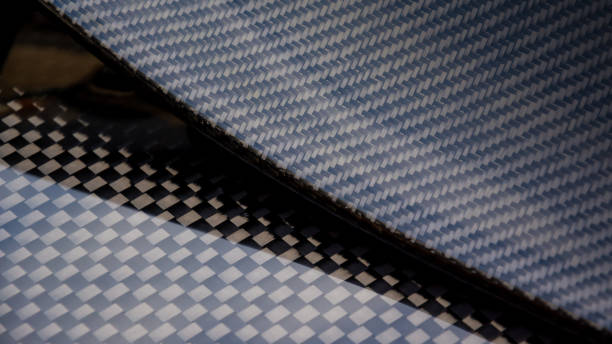
Upgrading to carbon fiber body kits is the ultimate goal for many car enthusiasts. However, the market offers two very different types of manufacturing processes. You must choose between “Wet Carbon” and the elite “Dry Carbon” technology. While they look similar, their performance on the track is worlds apart. This guide explains why dry carbon is the gold standard for racing. We help you decide which material fits your driving style and budget.
1. The Technical Duel: How They Are Made
The core difference lies in the resin-to-fiber ratio and the curing environment.
Wet Carbon: The Traditional Hand-Layup
Wet carbon involves brushing liquid resin over the carbon cloth by hand. Consequently, the resin content remains quite high at roughly 40% to 50%. Most builders allow these parts to cure at room temperature. Therefore, small air bubbles often stay trapped within the layers. This results in a heavier part with lower structural consistency.
Dry Carbon: The Autoclave Masterpiece
Dry carbon uses “prepreg” fabric, which already contains the perfect resin amount. Technicians place these layers into a high-pressure “Autoclave” tank. Consequently, the machine squeezes out all excess resin and air. The resin content stays low at 30% to 35% for maximum efficiency. Therefore, you get a much thinner, stronger, and more precise component.
2. Performance Comparison: The Track Reality
On the race track, every gram and every degree of temperature matters.
| Dimension | Wet Carbon | Dry Carbon |
| Strength | Medium | High (2-3x Stronger) |
| Weight | 20-30% Lighter than OEM | 50-70% Lighter than OEM |
| Heat Resistance | Softens at 80°C | Stable up to 150°C |
| Surface Life | Prone to bubbles/cracks | Stays like new long-term |
| Price Point | Affordable / Entry-level | Premium / Professional |
3. Why Track Drivers Demand Dry Carbon
Professional racers ignore wet carbon for several critical mechanical reasons.
Unmatched Strength-to-Weight Ratio
Dry carbon fiber body kits are significantly lighter than wet versions. A dry carbon hood can be up to 70% lighter than a steel one. Consequently, you improve your power-to-weight ratio and handling instantly. Furthermore, the vacuum-sealed layers provide incredible stiffness for aerodynamic stability.
Superior Heat and Weather Stability
Track environments generate extreme heat near the engine and brakes. Wet carbon resins often soften or turn yellow at just 80°C. In contrast, dry carbon remains structurally stable at 150°C and beyond. Consequently, the part will not warp or deform during a hot lap. Therefore, it is the only safe choice for high-performance cooling vents.
4. Advice for Buyers: Matching Part to Purpose
Your choice should depend on where you spend most of your driving time.
-
For the Street (Wet Carbon): If you want the “Carbon Look” on a budget, choose wet. It offers great aesthetics for daily drivers and car shows.
-
For the Track (Dry Carbon): If you chase lap times, dry carbon is mandatory. It provides the structural integrity needed for high-speed downforce.
Consequently, you avoid wasting money on parts that fail under pressure. High-quality carbon fiber body kits should enhance your car’s soul and speed. Therefore, prioritize dry carbon for any functional aero or heat-sensitive components.
Conclusion: Investing in True Racing Technology
Carbon fiber is more than just a beautiful black weave on your car. It is a functional engineering tool designed to shave seconds off your time.
Do not settle for heavy, resin-rich imitations for your track build. Instead, embrace the lightweight power of autoclave-cured dry carbon. Experience the difference in every corner and every straightaway. Your car deserves the most advanced materials available in the industry today. Start your journey toward a faster, lighter, and stronger machine now.
