
Carbon fiber has become a signature material in modern automotive design because it combines low weight with strong mechanical stability. However, its visual appeal often depends on the surface quality rather than the internal structure. Therefore, every durable carbon fiber finish requires engineered protection layers that resist UV light, chemicals, heat, and long-term physical wear. Although raw carbon fiber already offers impressive tensile strength, it cannot defend itself against surface degradation. This is why automotive exterior parts demand coating systems that preserve depth, gloss, and clarity for many years.
Why Carbon Fiber Needs Protection
Carbon fiber attracts performance-focused buyers because it creates a premium and technical appearance. Yet, the surface layer is created by resin rather than by the fiber itself. The resin reacts poorly to sunlight, heat, and moisture over time. As UV exposure increases, the resin begins to lose clarity. Eventually, it yellows, cracks, or becomes cloudy. Because of this natural vulnerability, every exposed carbon fiber product must receive an engineered coating system. This requirement becomes even more important when the product is installed on a vehicle that faces continuous sunlight and severe weather.
The Role of UV Radiation in Surface Damage
Although UV light is invisible, it creates the most aggressive impact on an unprotected carbon fiber finish. UV energy breaks the polymer chains in the resin. Once the chain breaks begin, the surface becomes unstable. Then, the gloss decreases because micro-cracks scatter light. Meanwhile, the visual depth that carbon fiber is known for becomes weaker. Because automotive carbon fiber parts face direct sunlight every day, the damage accelerates without proper UV protection. Moreover, heat generated by UV exposure speeds up oxidation, and this process further damages the resin.
How Clear Coats Prevent UV Degradation
A modern clear coat forms the first line of defense. It works by blocking harmful wavelengths before they reach the resin. Although clear coats may appear visually simple, they rely on advanced chemistry. Quality clear coats include UV absorbers, stabilizers, and film-forming components that create a dense and stable protective layer. Moreover, they improve gloss by smoothing surface texture. When a clear coat bonds correctly, the carbon fiber finish remains bright, reflective, and deep. Because the resin remains protected, the surface structure stays consistent for many years.
The Importance of UV Absorbers and Stabilizers
Not all clear coats provide equal protection. The best formulations use three types of chemical defense. UV absorbers trap UV light and convert it into heat. UV stabilizers prevent chemical breakdown inside the coating film. Antioxidants slow long-term degradation caused by heat and oxygen. When these elements work together, the coating protects both the resin and the visual carbon weave pattern beneath it. Because automotive parts experience constant sun exposure, this chemical defense system becomes crucial for surface longevity.
Gloss Level and Surface Clarity
A durable carbon fiber finish must deliver consistent gloss. Gloss level affects how the weave looks under different lighting conditions. High-gloss finishes create a wet and mirror-like depth. Meanwhile, satin finishes are smooth but subtle. Regardless of style, surface clarity depends on controlled coating thickness and uniform curing. If the clear coat is too thin, UV light will reach the resin. If the coat cures unevenly, the surface becomes distorted. Because of these conditions, professional engineering must guide each production stage to ensure long-term visual stability.
Why Automotive Conditions Require High-Performance Coatings
Vehicles expose carbon fiber surfaces to severe conditions. They face heat, rain, dust, salt, and mechanical vibration every day. Therefore, even small weaknesses become clear over time. Road chemicals and acidic contaminants attack the coating. Abrasion from dust reduces surface gloss. Meanwhile, heat expands and contracts the resin, creating stress on the protective layer. Because normal coatings fail quickly under these conditions, automotive carbon fiber parts require advanced clear coats with high hardness, flexibility, and chemical resistance.
Heat Resistance and Thermal Stability
Thermal conditions also affect coating performance. Under the sun, surface temperatures often exceed 60°C on dark materials. When the part sits near the engine bay, temperatures rise even higher. Thermal expansion becomes stronger at these points. Because of this, a durable coating must handle stress without cracking. Flexible resin systems help absorb this expansion. Meanwhile, heat-stable UV additives maintain long-term protection. When these elements work together, the carbon fiber finish stays stable even in extreme conditions.
Hydrophobic and Chemical-Resistant Surfaces
Water exposure, acid rain, and road chemicals attack carbon fiber surfaces. Over time, these contaminants weaken the clear coat. Hydrophobic coatings create water repellency and reduce the time contaminants stay on the surface. As a result, the surface remains cleaner and more durable. Chemical resistance also plays a key role. Quality coatings resist alcohol, cleaners, road salt, and engine fluids. This resistance becomes essential for carbon fiber installed on bumpers, side skirts, spoilers, and mirror caps.
The Role of Surface Preparation
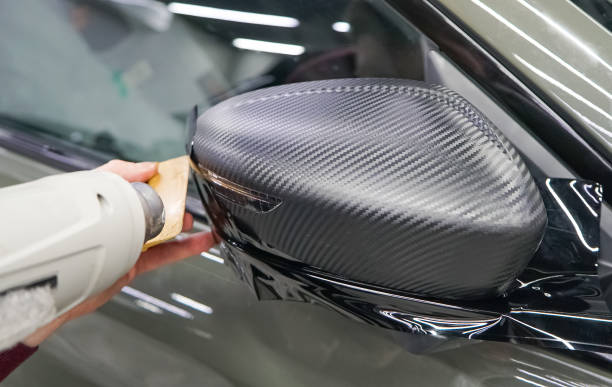
Even the best clear coat fails without proper surface preparation. The carbon fiber part must be sanded, cleaned, and examined before coating. Each defect in the resin layer affects final clarity. Dust or oils trap air bubbles during curing. Uneven sanding creates waves that remain visible under the finish. Therefore, skilled surface preparation forms a critical base for long-term durability. Because carbon fiber weaves have depth, even small surface errors become obvious. Proper preparation ensures clean bonding between resin and coating.
Why Resin Type Affects Longevity
The base resin under the carbon fiber finish also affects long-term performance. Epoxy resins offer strong clarity and structural stability. They support high adhesion between fibers and coating. Polyester resins cost less but provide weaker UV stability. Because automotive parts demand long-term clarity, epoxy systems remain the preferred choice. However, epoxy needs proper coating because it degrades quickly under UV exposure. This is why resin selection and coating quality must be engineered as a complete system.

Clear Coat Application Techniques
Spray techniques determine the final finish. The operator must control distance, temperature, and spray pattern. If the spray becomes uneven, an orange peel texture appears. If the film becomes too thick, cracking occurs. Therefore, a controlled multi-layer application produces the most durable result. Each layer cures gradually before the next is added. This layered approach strengthens the coating structure. Professional curing methods improve hardness and create a consistent gloss profile.
Impact Resistance and Long-Term Wear
Automotive carbon fiber parts often face small impacts from stones or debris. A durable carbon fiber finish must resist these hazards. High-hardness clear coats strengthen impact resistance by adding mechanical toughness. Meanwhile, elastic resin components prevent cracks from spreading. When both components work together, the surface resists chips and scratches. As a result, the carbon fiber finish stays visually clean even after years of road use.
Weather Cycles and Environmental Exposure
Temperature changes accelerate surface stress. Rapid heating and cooling expand and contract the resin. Humidity enters micro-cracks and weakens the coating. Over time, these cycles create yellowing and surface haze. Therefore, long-term durability depends on UV resistance, hydrophobic performance, and thermal flexibility. A coating system that handles these cycles protects the resin and maintains visual clarity.
How Premium Finishes Extend Product Lifespan
When all engineering elements align, a durable carbon fiber finish can last many years. UV protection prevents resin degradation. Clear coats block chemical and thermal damage. Hydrophobic layers reduce contamination. Impact-resistant coatings protect against road debris. Because each component works together, the carbon fiber surface retains gloss, clarity, and depth. As a result, the product looks new for far longer than cheaper alternatives.
Choosing the Right Finish for Automotive Parts
Buyers often choose carbon fiber for its premium appearance. However, the finish quality determines long-term satisfaction. Premium clear coats cost more, but they protect the surface from severe degradation. Therefore, long-term durability depends on both coating quality and application technique. Buyers who value longevity should select carbon fiber parts with engineered UV protection, advanced coatings, and professional curing.
⭐ Conclusion
A durable carbon fiber finish depends on more than raw materials. It relies on UV protection, clear coat chemistry, resin stability, application technique, and environmental resistance. When these factors work together, automotive carbon fiber parts maintain their depth, gloss, and clarity for many years. Because modern vehicles face aggressive environmental conditions, buyers who choose engineered protective systems ensure long-term visual performance. Therefore, a premium carbon fiber finish remains not just a visual statement but also a technical achievement supported by advanced materials science.
